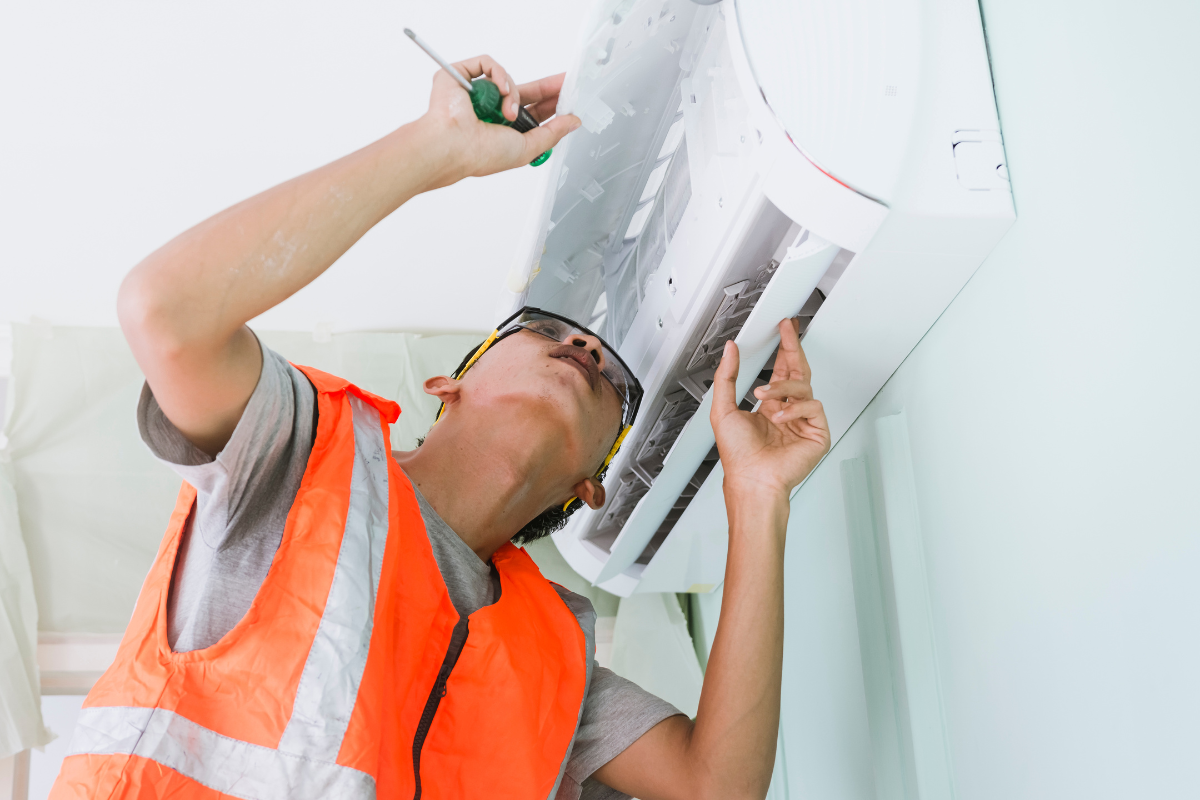
In a world where home improvement projects are just a YouTube tutorial away, many homeowners find themselves at a crossroads when it comes to HVAC issues. Do you call in the experts or roll up your sleeves and tackle it yourself? This article dives deep into the nuances of HVAC repair, offering you a comprehensive guide to help you make an informed decision.
Understanding HVAC Systems: A Brief Overview
Before we dive into the pros and cons of professional versus DIY repairs, it's essential to understand what HVAC systems entail. HVAC stands for Heating, Ventilation, and Air Conditioning. These systems are crucial for maintaining indoor comfort, especially in states like Florida where temperatures can soar.
What is HVAC Repair?
HVAC repair involves diagnosing and fixing issues within your heating and cooling systems. It could range from simple tasks like changing air filters to more complex issues like refrigerant leaks. Given that these systems are intricate, understanding the basics will help you decide whether you should take on repairs yourself or hire a professional.
Common HVAC Issues That Require Attention
Air Conditioner Not Cooling: One of the most common problems is an air conditioner that fails to cool adequately. Strange Noises: Unusual sounds coming from your unit can indicate serious underlying problems. Foul Odors: Bad smells can be a sign of mold or electrical issues. Increased Energy Bills: If your energy costs jump suddenly, it could mean your system is working harder than it should. Thermostat Problems: Malfunctioning thermostats can lead to inconsistent temperatures throughout your home.Professional vs DIY: The Best Approach for Serious HVAC Issues
When faced with significant HVAC problems, homeowners often debate between hiring a professional or attempting DIY fixes.
Pros of Hiring Professionals for HVAC Repair
- Expertise: Certified technicians have extensive training and experience in handling various HVAC issues. Safety: Working with electrical components or refrigerants can be hazardous if not handled correctly. Warranty Protection: Many manufacturers require professional installation for warranties to remain valid. Time-Saving: Professionals can diagnose and fix problems much faster than most homeowners could.
Cons of Hiring Professionals
- Costly Repairs: Professional services can be expensive, especially if emergencies arise. Scheduling Hassles: Finding available professionals during peak seasons might prove challenging.
Pros of DIY HVAC Repairs
- Cost Efficiency: Tackling minor repairs yourself can save on labor costs. Satisfaction: Successfully fixing an issue gives a sense of accomplishment. Learning Opportunity: Engaging in DIY allows homeowners to gain valuable knowledge about their systems.
Cons of DIY Repairs
- Lack of Expertise: Without proper training, mistakes are likely and could lead to further damage. Time Consumption: Researching how to fix an issue takes time that some homeowners may not have. Warranty Risks: Attempting repairs independently may void warranties on equipment.
Key Factors to Consider When Choosing Between Professional vs DIY
When determining whether to hire someone or go solo, consider these aspects:
1. Severity of the Issue
Is the problem something minor like a dirty filter or something major like refrigerant leaks? For serious issues requiring specialized tools and knowledge, hiring a professional is usually best.
2. Your Skill Level
Are you handy around the house? If you've tackled similar projects before successfully, a DIY approach may work well for minor fixes but remember—HVAC systems are complicated.
3. Budget Constraints
If money is tight, consider the cost-effectiveness of minor repairs versus potential costs incurred from improper fixes down the line.
4. Time Availability
Do you have time to research and execute repairs? If not, it might be worth it to hire someone who can get it done quickly.
5. Local Regulations
Some regions require specific licenses for HVAC work; always check local regulations before proceeding with any repairs.
The Role of Maintenance in Preventing Major Issues
Regular maintenance plays an integral role in prolonging the life of your HVAC system while preventing serious malfunctions down the road.
1. Importance of Routine Inspections
Regular inspections by professionals ensure that any potential problems are caught early on before they escalate into costly repairs.
2. Filter Changes
Changing air filters every one to three months helps maintain airflow efficiency and keeps your system running smoothly.
3. Cleaning Coils
Dirty coils can significantly impact efficiency; regular cleaning ensures optimal operation levels throughout the year.
ac repair serviceTips for Effective DIY HVAC Repairs
If you're considering taking on smaller tasks yourself, here are several tips:
1. Educate Yourself
Before starting any project, watch tutorials online or read up on guides regarding specific fixes related to your issue (like AC repair Tampa).
2. Gather Necessary Tools
Ensure you have all required tools beforehand so you don’t find yourself stuck mid-project without what you need!
3. Document Everything
Keep track of any changes made during repairs; this information will be useful if future professionals need access later on down the line.
Signs It's Time to Call an Expert
Even if you're pretty handy around the house, there comes a point when it's best just to let professionals handle things:
Frequent Breakdowns Continuous Unusual Noises Inability To Identify Problems Electrical Issues 5.. System Age Exceeds Recommended LifespanFAQs About Professional vs DIY HVAC Repairs
1. What Should I Do If My Air Conditioner Isn’t Cooling?
First off, check your thermostat settings! If everything seems fine there but cooling still isn’t happening as expected—call an expert!
2. How Much Does Professional AC Repair Cost?
Costs vary widely depending on location (like Tampa), complexity involved with repairs needed—but generally range anywhere from $100-$500+ depending upon severity!
3. Can I Perform My Own AC Maintenance?
Absolutely! Tasks such as changing filters regularly & cleaning outdoor units fall under routine maintenance anyone can do easily enough without needing special expertise!
4.Can I Use Any Type Of Refrigerant For My System?
No! Always ensure compatibility; using incorrect types may cause severe damage leading towards costly replacements down line!
5.How Often Should I Schedule Professional Inspections?
Aim for at least once annually—preferably before summer heatwaves hit full force—to keep things running efficiently through hotter months ahead!
6.What Is The Best Way To Find A Reliable Technician?
Ask friends/family members who've had recent experiences recommend trustworthy companies OR check reviews online through platforms like Yelp/Google Listings!
Conclusion
In summary, choosing between professional services and DIY approaches boils down ultimately based on individual circumstances regarding severity level involved alongside personal skill sets/preferences! Maintaining awareness about both sides' merits/drawbacks helps lay foundation necessary making informed decisions concerning serious hvac issues—whether opting out hiring local pros hvac repair tampa area known reliable ones performing quality work consistently across board! Keeping this knowledge handy will empower every homeowner navigate tricky waters involved maintaining comfort within their homes effectively without breaking bank either way choosing route goes forward!
By weighing all factors discussed herein carefully weighing options accordingly one should feel confident deciding which path suits best given unique situations arise over lifespan respective households’ hvac needs arise too!